


Introduction
Meralgia paresthetica is a nerve condition that causes numbness , tingling, or burning sensations along the outer front part of the thigh. It occurs when the lateral femoral cutaneous nerve—which provides sensation to this area—becomes compressed or irritated. While the discomfort usually affects the thigh, many people mistakenly describe it as pain near the knee. This overlap in symptoms can easily lead to confusion and misdiagnosis, with patients sometimes receiving treatments for knee problems they don’t actually have. Recognizing meralgia paresthetica as a unique cause of “ knee pain ” is essential to ensure the right treatment. In this article, we’ll explain why this confusion happens and how doctors can distinguish between true knee pain and meralgia paresthetica to provide the best care.
Why Meralgia Paresthetica Can Be Mistaken for Knee Pain
Meralgia paresthetica is often mistaken for knee problems because its symptoms can feel very similar. People commonly report pain, numbness, or tingling sensations that seem to originate from the area near the knee, even though the knee joint itself isn’t affected. As a result, doctors might initially suspect common knee issues like ligament injuries or arthritis. This confusion sometimes leads to unnecessary scans or even surgery, when the true problem is actually nerve irritation in the thigh. Both research and clinical experience have shown that careful attention to symptom location is key. The nerve involved in meralgia paresthetica is responsible for sensation along the outer thigh—not the knee—so when the knee feels normal despite ongoing discomfort nearby, doctors should consider this diagnosis. It’s important to note that misdiagnosis isn’t limited to the general population; for example, studies have shown that meralgia paresthetica is sometimes overlooked in pregnant women, even though it’s not as rare as once thought.
How Doctors Tell the Difference
Avoiding misdiagnosis starts with a thorough clinical examination. Doctors look for numbness and tingling in a specific patch of skin on the outer thigh, while the knee itself remains unaffected. This pattern is a hallmark of meralgia paresthetica. The involved nerve is purely sensory, so there’s no muscle weakness or movement problems—just unusual sensations on the skin. When the diagnosis isn’t clear, tests like nerve conduction studies or targeted nerve blocks can help confirm whether the lateral femoral cutaneous nerve is truly the source of discomfort. These tests are valuable tools for ruling out real knee joint disorders and guiding an appropriate treatment plan. Recognizing the tell-tale distribution of symptoms is essential, especially when the knee appears healthy. Some studies even highlight higher rates of meralgia paresthetica in certain groups, such as pregnant women, emphasizing the importance of considering this diagnosis in overlapping cases.
Free non-medical discussion
Not sure what to do next?
Information only · No medical advice or diagnosis.
Managing Meralgia Paresthetica Without Surgery
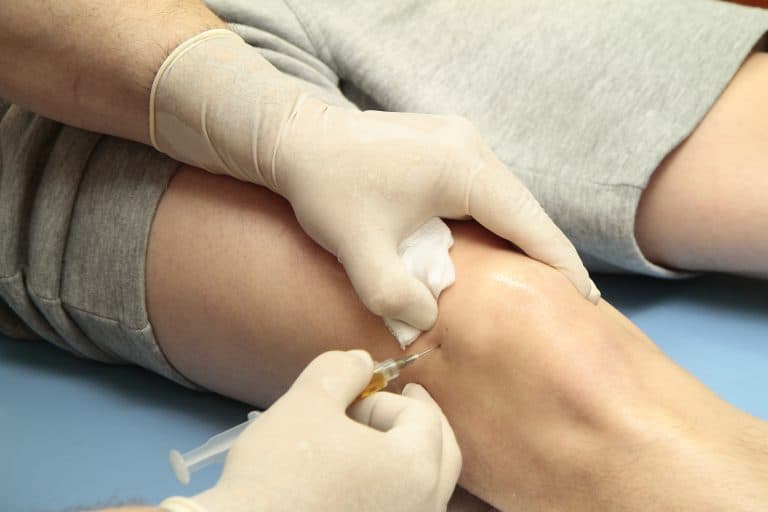
Fortunately, most cases of meralgia paresthetica can be managed without surgery. Simple lifestyle changes—like losing weight or avoiding tight clothing that puts pressure on the nerve—often lead to improvement. Physiotherapy and targeted exercises that stretch and relieve pressure on the nerve can also help many people return to normal activities. Typically, these conservative approaches are enough to ease symptoms. In rare cases where pain or tingling persists, doctors may recommend nerve injections, and only occasionally suggest surgery to relieve the nerve compression . The main goal is to solve the problem at its source and avoid unnecessary treatments aimed at the knee , which won’t help if the real cause is nerve compression in the thigh. This approach is also supported by research showing that certain groups, such as pregnant women, may develop meralgia paresthetica due to changes in anatomy or increased pressure on the nerve.

What This Means for Patients and Healthcare Professionals
For both patients and primary care providers, awareness is the first step towards proper care. Recognizing that what seems like knee pain might actually be due to a nerve condition can prevent unnecessary tests and ineffective treatments. Paying close attention to where symptoms are felt and starting with conservative care is usually the best approach. As research continues to shine light on this frequently misunderstood condition, prompt and accurate diagnosis will help patients get the relief they need—leading to better outcomes and fewer frustrations.
References
- Stevens, H. H. (1957). Meralgia Paresthetica. Archives of Neurology and Psychiatry, 77(6), 557. https://doi.org/10.1001/archneurpsyc.1957.02330360015001
- Hui, G. K. M., & Peng, P. (2011). Meralgia Paresthetica. Regional Anesthesia & Pain Medicine, 36(2), 156-161. https://doi.org/10.1097/aap.0b013e3182030897
- Sabri, A., & Al-Attar, Z. (2019). Meralgia Paresthetica in Pregnancy. International Journal of Biology Pharmacy and Allied Sciences, 8(4). https://doi.org/10.31032/ijbpas/2019/8.4.4679
Frequently Asked Questions
- Meralgia paresthetica often causes numbness, tingling, or burning sensations in the outer thigh, which many patients mistakenly describe as pain near the knee. This overlap leads to confusion, but the actual knee joint is unaffected. Accurate diagnosis requires expertise and a focus on the location and nature of symptoms.
- The London Cartilage Clinic offers advanced diagnostic expertise, ensuring that conditions like meralgia paresthetica are correctly identified. Under the guidance of Prof Lee, patients benefit from personalised care, innovative non-surgical options, and a focus on effective relief, avoiding unnecessary treatments aimed at the knee or inappropriate surgery.
- Prof Lee has extensive experience distinguishing between true knee disorders and nerve-related problems such as meralgia paresthetica. His thorough clinical assessment ensures that patients receive the most appropriate treatment. Prof Lee’s expertise reduces misdiagnosis, shortens the path to recovery, and improves patient outcomes by addressing the root cause efficiently.
- The London Cartilage Clinic provides a range of non-surgical treatments for meralgia paresthetica, including lifestyle advice, physiotherapy, and targeted exercises to relieve nerve pressure. For persistent symptoms, nerve block injections may be considered. These tailored solutions typically improve symptoms without the need for invasive procedures, supporting faster, safer recovery.
- Prompt and precise diagnosis prevents unnecessary tests or surgeries and ensures patients receive the right care from the start. At the London Cartilage Clinic, early intervention and conservative management, guided by Prof Lee’s expertise, mean patients can expect rapid relief, fewer complications, and a return to normal activities with confidence.
Legal & Medical Disclaimer
This article is written by an independent contributor and reflects their own views and experience, not necessarily those of London Cartilage Clinic. It is provided for general information and education only and does not constitute medical advice, diagnosis, or treatment.
Always seek personalised advice from a qualified healthcare professional before making decisions about your health. London Cartilage Clinic accepts no responsibility for errors, omissions, third-party content, or any loss, damage, or injury arising from reliance on this material.
If you believe this article contains inaccurate or infringing content, please contact us at [email protected].
London Cartilage Clinic
Modern treatments, designed for lasting knee outcomes
Every treatment plan is selected to help you return to the quality of life you deserve. Our team combines up-to-date techniques with consultant-led decision making across cartilage repair, regeneration and replacement.
What your journey can look like
Step 01
Consultant-Led Assessment
Symptoms, imaging and goals reviewed in one structured appointment.
Step 02
Personalised Treatment Plan
A clear route chosen from repair, regeneration or replacement options.
Step 03
Precision Delivery
Modern techniques and specialist equipment matched to your diagnosis.
Step 04
Long-Term Knee Health
Follow-up guidance focused on durable function and quality of life.
Will the Arthrosamid work for me
PAAG-8+ Questionnaire
A bright, structured entry point for patients exploring Arthrosamid. The questionnaire helps frame suitability, expectations, and 24-month clinical benefit discussion before a fuller consultant-led review.
Designed for shared decision-making. It does not replace specialist consultation, examination, imaging review, or formal medical advice.